FRP Water Tank Solutions by Shandong Wanneng Group

FRP Water Tank Solutions by Shandong Wanneng Group
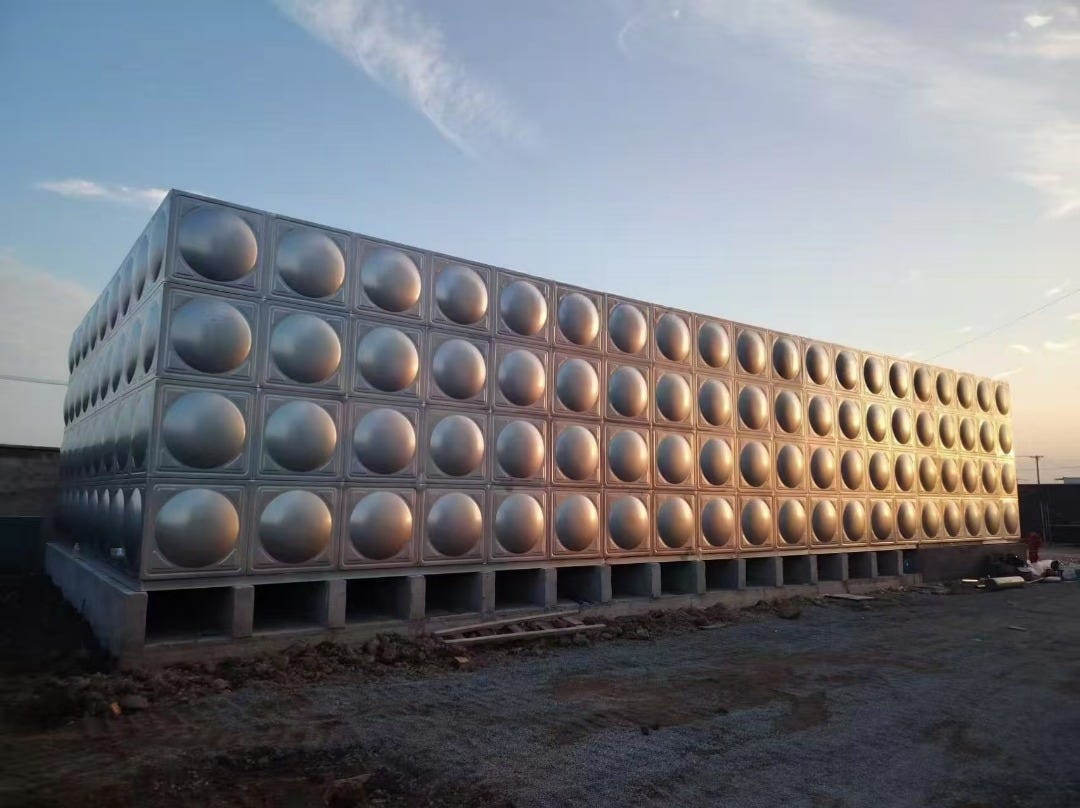
When I first came across FRP Water Tank solutions from Shandong Wanneng Group, I have to admit I was a bit skeptical. My previous experiences with water storage had been frustrating. Plastic tanks would crack under harsh sunlight, and stainless steel tanks would rust no matter how careful I was with maintenance. I remember thinking that maybe there was no perfect solution for my home and small industrial setup. Then I discovered FRP water tanks, and it completely changed my perspective. These tanks promised durability, hygiene, and ease of installation, and I realized that finally, there was a solution that could really make my life easier.
The very first FRP water tank I installed at home felt solid yet lightweight. Unlike my previous experiences with cumbersome stainless steel tanks, this tank was easy to handle. I could see immediately how it would solve not only my water storage challenges but also offer peace of mind knowing my family’s water was safe.
What is a FRP Water Tank?
A FRP Water Tank is a water storage solution made from Fiber Reinforced Plastic, a composite material that combines glass fibers with polymer resin. This gives the tank exceptional strength while keeping it lightweight. Sometimes referred to alongside GRP Water Storage Tank, these tanks are highly resistant to corrosion, rust, and chemical damage.
From personal experience, the modular design of FRP tanks, particularly FRP Panel Water Storage Tank systems, makes them extremely convenient. When my home needed a larger capacity solution, the panels allowed me to expand the tank without having to replace the entire unit. It was like building a giant puzzle that actually improved my daily life rather than causing frustration.
Advantages of FRP Water Tanks
After years of trying different storage options, here are the key benefits that convinced me to switch completely to FRP Water Tanks:
- Durability and Longevity — These tanks last for decades, far outperforming plastic alternatives that warp under UV exposure and even many stainless steel tanks that corrode over time
- Corrosion and Leak Resistance — The material is naturally resistant to corrosion, which makes it perfect for coastal areas or industrial environments. The interlocking panel design in FRP Panel Water Storage Tank systems ensures leak-proof storage.
- Safe and Hygienic — FRP tanks are made from non-toxic materials, ensuring that water stored for drinking or cooking stays safe. I felt reassured knowing that my family could drink straight from these tanks without worrying about contamination.
- Lightweight but Strong — Even though the material is light, it is robust enough to handle large water capacities without warping or cracking. Moving and installing the tank was much easier than I had anticipated.
- Eco-Friendly and Sustainable — FRP tanks are recyclable, reducing environmental impact compared to traditional metal tanks.
I still remember my first inspection after installation. Seeing the water perfectly clean and the tank holding strong gave me a sense of accomplishment. I realized this wasn’t just a tank; it was a long-term solution.
FRP Water Tank vs GRP Water Storage Tank
Many people wonder whether there is a difference between a FRP Water Tank and a GRP Water Storage Tank. While both are strong and durable, there are subtle distinctions:
- FRP Water Tank — Typically includes both single-piece tanks and panel-based systems, offering flexibility and modular expansion.
- GRP Water Storage Tank — Often used in industrial applications for larger fixed-capacity storage and is slightly heavier due to material composition.
For my home installation, the FRP option was perfect. The modularity allowed me to configure the tank to fit my available rooftop space without compromising capacity or strength.
Practical Applications of FRP Water Tanks
During my journey, I realized just how versatile these tanks are:
- Residential Water Storage — Perfect for homes, apartments, and multi-story buildings. FRP tanks can fit tight spaces and provide a reliable daily water supply.
- Industrial Applications — Factories, warehouses, and construction sites benefit from the large capacity and corrosion-resistant design.
- Food and Beverage Industry — Non-toxic material ensures that water used in food processing is safe and uncontaminated.
- Emergency Water Storage — Lightweight and portable enough for temporary setups in disaster relief or construction projects.
I vividly remember visiting a small industrial unit that had recently replaced their old rusted steel tanks with FRP Panel Water Storage Tank systems. Maintenance dropped drastically, and they no longer faced frequent leak issues, which was a huge relief for the management team.
Capacity and Material Considerations
One of the first questions I had when choosing a FRP Water Tank was about capacity. FRP tanks can range from small 500-liter units suitable for households to massive 50,000-liter industrial solutions. The panels can be assembled to meet exact storage needs without waste.
Material quality is also important. High-quality FRP tanks use glass fibers and polymer resins designed for long-term durability. Some premium options even include UV protection for outdoor installations, which I personally opted for because my tank sits on a roof exposed to full sunlight most of the day.
Installation Experience: My Personal Journey
Installing my FRP Water Tank was surprisingly simple. Unlike heavy stainless steel tanks that required cranes and multiple laborers, the FRP panels were manageable and lightweight. Watching the tank come together was almost meditative. Each panel snapped into place seamlessly, and within hours, I had a fully functional water storage system.
The installation team emphasized that the foundation must be level and sturdy. Even a slight tilt could compromise performance. That small detail reminded me of my early mistakes with plastic tanks, where uneven placement caused cracks and leaks. This time, everything was perfect.
Maintenance Tips for FRP Water Tanks
One of the best features of FRP tanks is minimal maintenance. Unlike metal tanks that need rust-proofing or plastic tanks prone to cracks, FRP tanks only require periodic cleaning:
- Clean Every Six Months — Rinse out sediment and debris to keep water fresh.
- Inspect Panel Joints — Although leaks are rare, checking the connections ensures longevity.


Comments
Post a Comment